

CUSTOMISE YOUR
LAB GROWN DIAMONDS
CUSTOMISE YOUR
LAB GROWN DIAMONDS
TAILORED DESIGNS & READY-MADE ELEGANCE
TAILORED DESIGNS & READY-MADE ELEGANCE


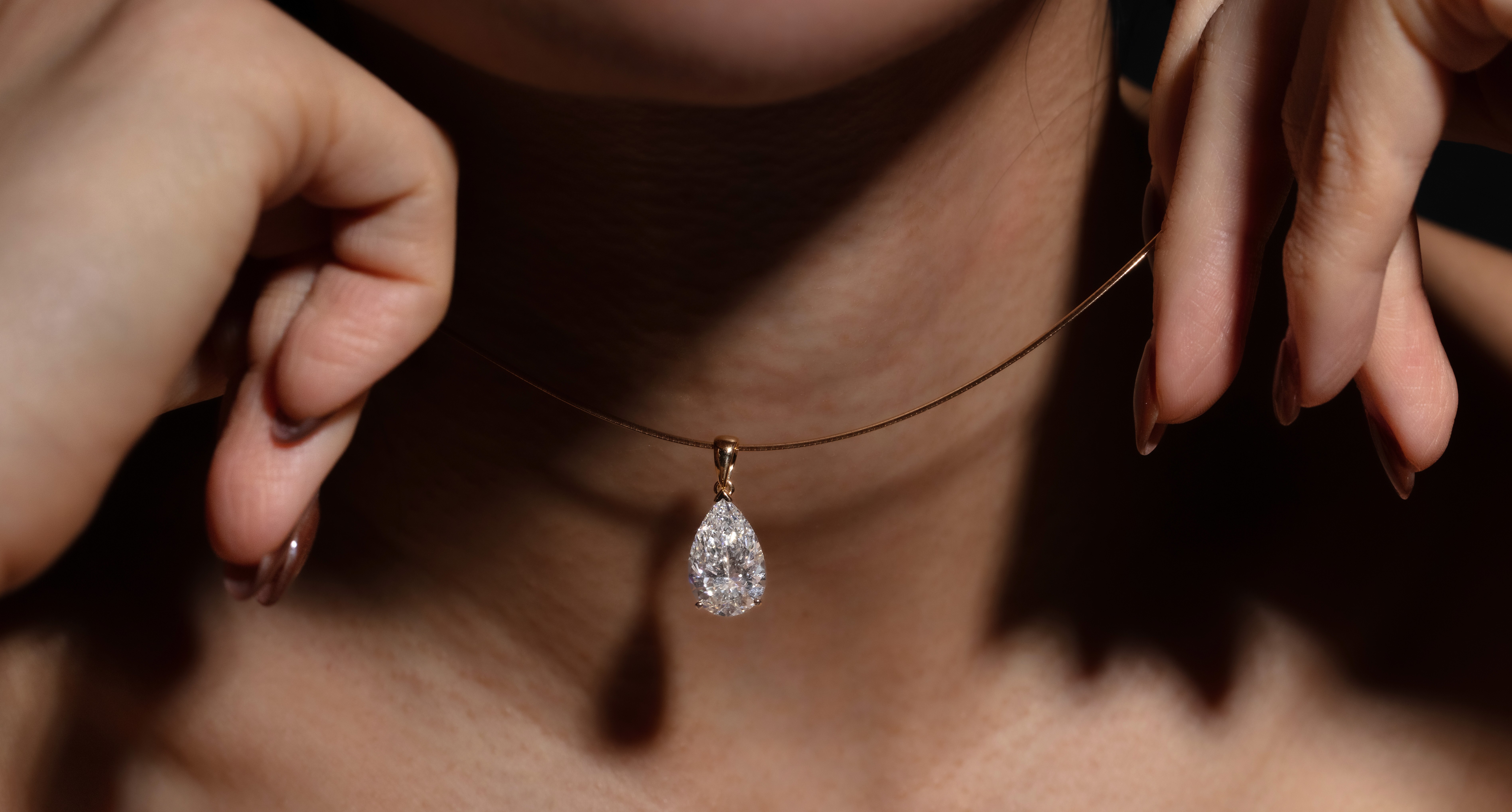
OUR READY MADE PIECES
NECKLACE
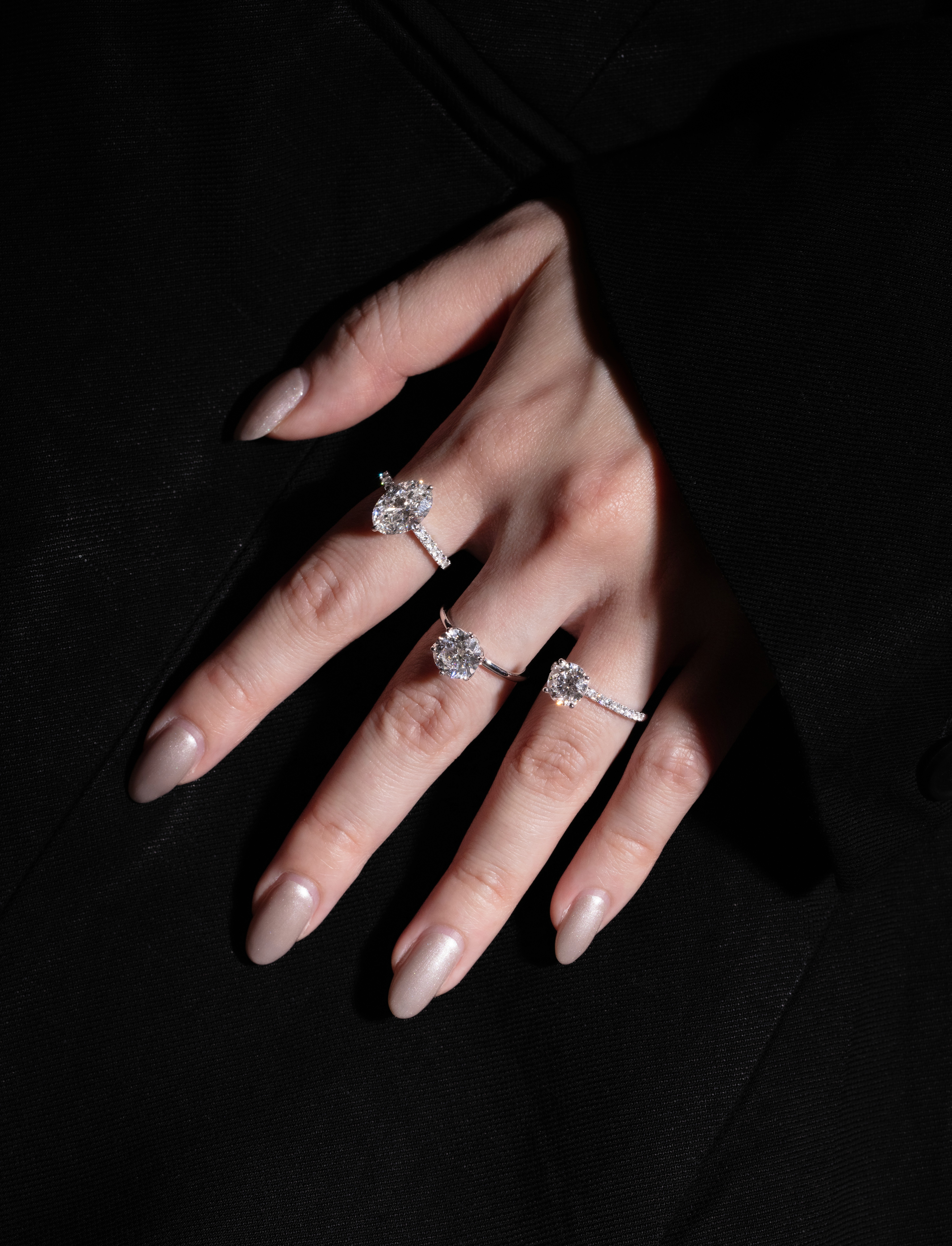
EARRINGS


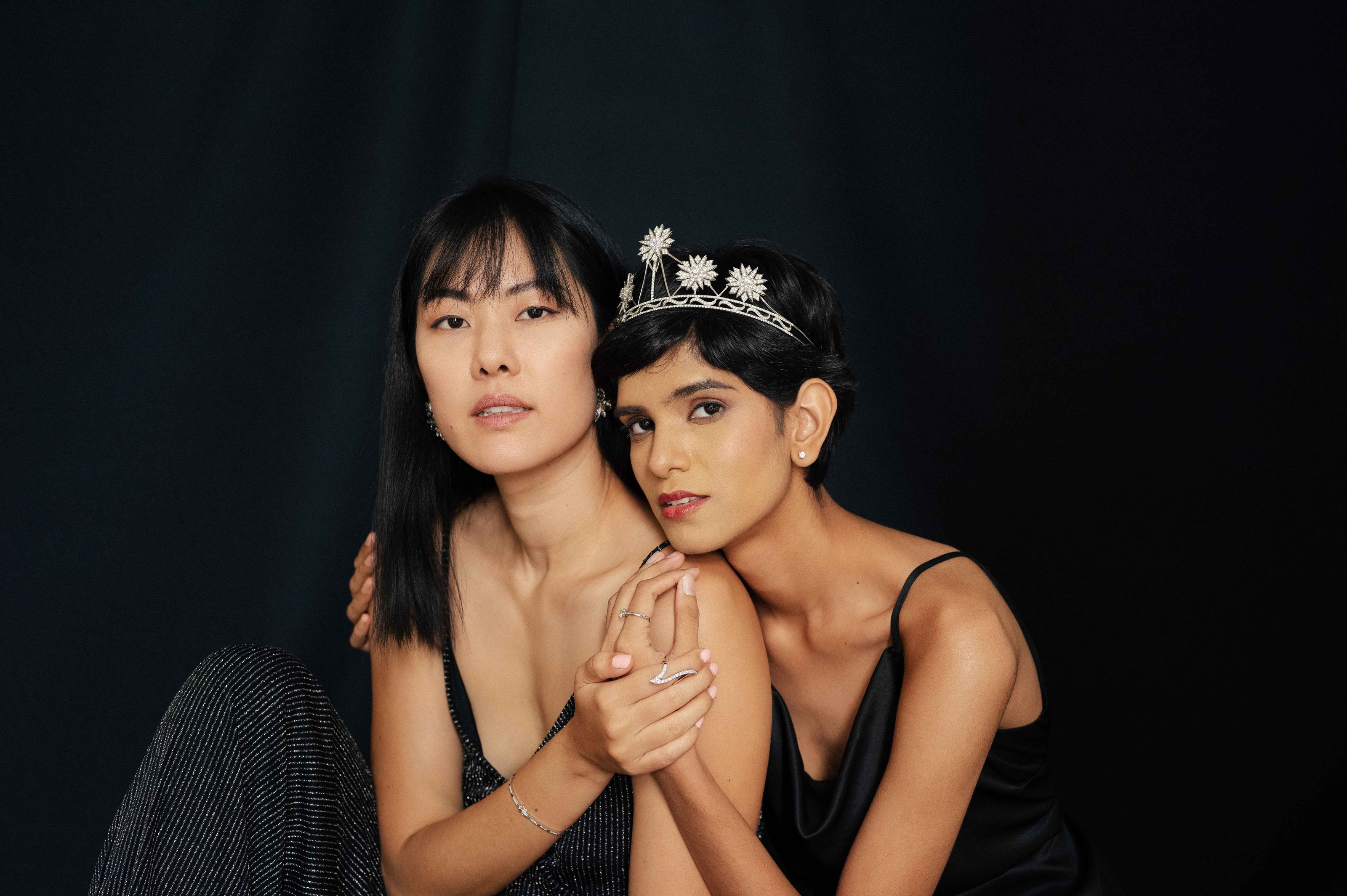
We sit down with Nandita Banna (Miss Universe Singapore 2021) and Valerie Lim (Miss Universe Singapore 2011 and current National Director of Miss Universe Singapore) to talk about what they think sustainability and empowerment means for the modern woman.
We sit down with Nandita Banna (Miss Universe Singapore 2021) and Valerie Lim (Miss Universe Singapore 2011 and current National Director of Miss Universe Singapore) to talk about what they think sustainability and empowerment means for the modern woman.

When it comes to grading a diamond’s colour, we are quite familiar with the D to Z scale with D being colourless and Z being intensely coloured, usually yellow. And of course, the better the colour grade (D), the more expensive it is. However, what happens when a diamond exhibits colours beyond the Z range, or scintillates colours other than yellow? It then follows an opposite rule that the more intense the colour, the more expensive it is. Coloured diamonds follow their own colour scale of fancy light, fancy, fancy intense, fancy dark, fancy deep and fancy vivid. Natural coloured diamonds are some of the most exorbitantly priced items in the world, with many prime examples selling for amounts many of us will take several lifetimes to earn. For example, the most expensive diamond is a 59.6ct oval pink diamond known as the “Pink Star” which sold for a whooping $71,000,000 (for those who are blinded by the number of zeroes, that is $71 million). The good news is that you can also get coloured lab grown diamonds which are much much more affordable than natural ones, which The Better Diamond has a large inventory of. Coloured diamonds come in a variety of colours - yellow, pink, orange, red, blue, green, purple, brown, black and even white. In its naturally occurring state, the rarest colours are red, green, purple, and orange. Pink and blue coloured diamonds are next in line, followed by yellow and brown diamonds being the most common. Many of the fancy coloured diamonds are also a blend of colours such as pinkish orange, greenish yellow, purplish pink etc. These mixed colours are usually more affordable than their pure coloured counterparts. A diamond’s colour usually stems from the impurities present in the diamond’s carbon crystal structure. However some of the fancy coloured diamonds are actually pure carbon with no impurities. Diamond colours can also be enhanced through treating methods such as irradiation and high pressure high temperature. Below are some of the colours and how they come about.
When it comes to grading a diamond’s colour, we are quite familiar with the D to Z scale with D being colourless and Z being intensely coloured, usually yellow. And of course, the better the colour grade (D), the more expensive it is. However, what happens when a diamond exhibits colours beyond the Z range, or scintillates colours other than yellow? It then follows an opposite rule that the more intense the colour, the more expensive it is. Coloured diamonds follow their own colour scale of fancy light, fancy, fancy intense, fancy dark, fancy deep and fancy vivid. Natural coloured diamonds are some of the most exorbitantly priced items in the world, with many prime examples selling for amounts many of us will take several lifetimes to earn. For example, the most expensive diamond is a 59.6ct oval pink diamond known as the “Pink Star” which sold for a whooping $71,000,000 (for those who are blinded by the number of zeroes, that is $71 million). The good news is that you can also get coloured lab grown diamonds which are much much more affordable than natural ones, which The Better Diamond has a large inventory of. Coloured diamonds come in a variety of colours - yellow, pink, orange, red, blue, green, purple, brown, black and even white. In its naturally occurring state, the rarest colours are red, green, purple, and orange. Pink and blue coloured diamonds are next in line, followed by yellow and brown diamonds being the most common. Many of the fancy coloured diamonds are also a blend of colours such as pinkish orange, greenish yellow, purplish pink etc. These mixed colours are usually more affordable than their pure coloured counterparts. A diamond’s colour usually stems from the impurities present in the diamond’s carbon crystal structure. However some of the fancy coloured diamonds are actually pure carbon with no impurities. Diamond colours can also be enhanced through treating methods such as irradiation and high pressure high temperature. Below are some of the colours and how they come about.
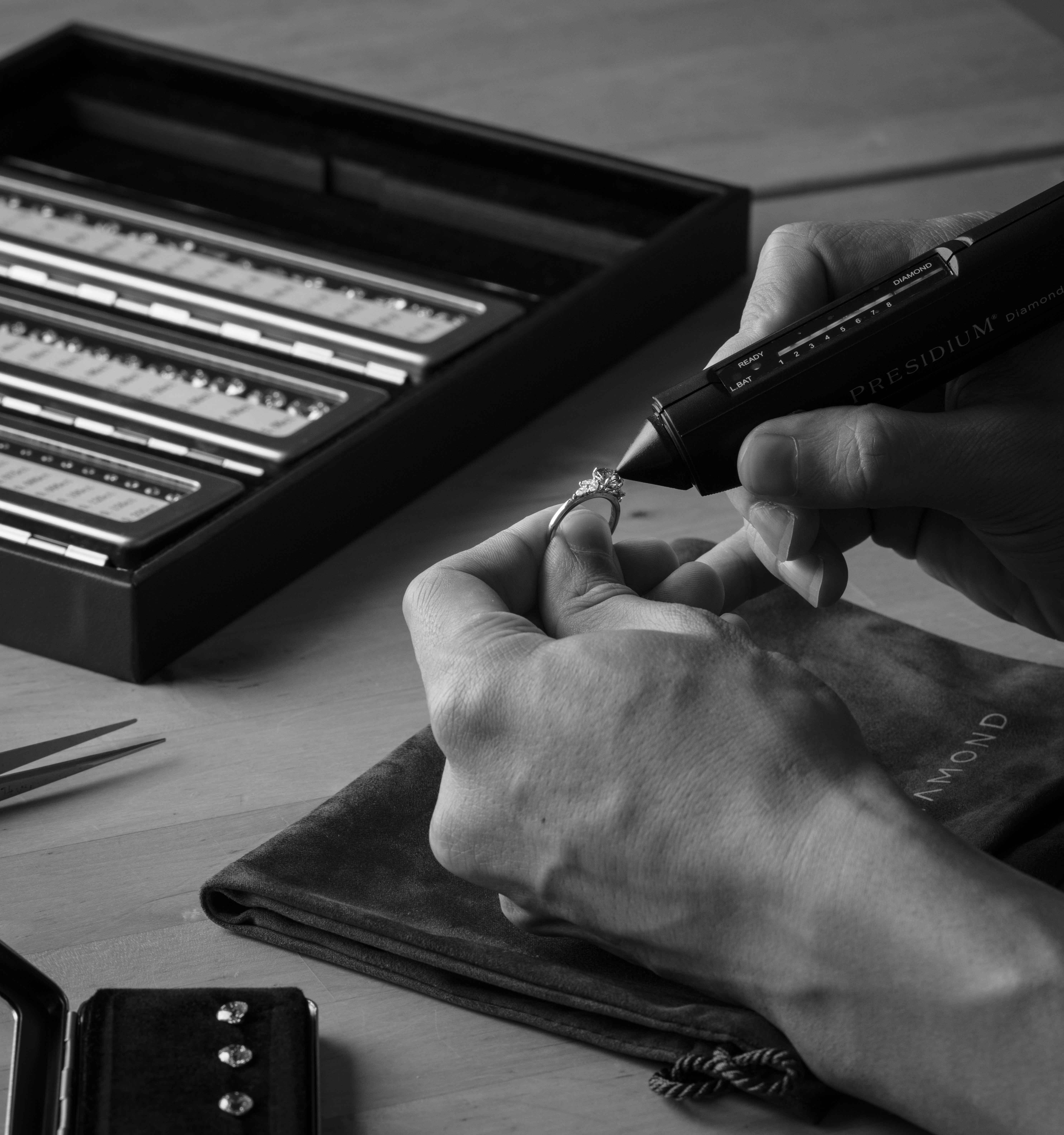
When it comes to the topic of diamonds, there are usually 2 distinct groups of conversation. The first is focused on the aesthetic aspect of it - how beautiful it looks and the 4Cs. With the second being its ethical and environmental impact.
When it comes to the topic of diamonds, there are usually 2 distinct groups of conversation. The first is focused on the aesthetic aspect of it - how beautiful it looks and the 4Cs. With the second being its ethical and environmental impact.
We sit down with Nandita Banna (Miss Universe Singapore 2021) and Valerie Lim (Miss Universe Singapore 2011 and current National Director of Miss Universe Singapore) to talk about what they think sustainability and empowerment means for the modern woman.
When it comes to grading a diamond’s colour, we are quite familiar with the D to Z scale with D being colourless and Z being intensely coloured, usually yellow. And of course, the better the colour grade (D), the more expensive it is. However, what happens when a diamond exhibits colours beyond the Z range, or scintillates colours other than yellow? It then follows an opposite rule that the more intense the colour, the more expensive it is. Coloured diamonds follow their own colour scale of fancy light, fancy, fancy intense, fancy dark, fancy deep and fancy vivid. Natural coloured diamonds are some of the most exorbitantly priced items in the world, with many prime examples selling for amounts many of us will take several lifetimes to earn. For example, the most expensive diamond is a 59.6ct oval pink diamond known as the “Pink Star” which sold for a whooping $71,000,000 (for those who are blinded by the number of zeroes, that is $71 million). The good news is that you can also get coloured lab grown diamonds which are much much more affordable than natural ones, which The Better Diamond has a large inventory of. Coloured diamonds come in a variety of colours - yellow, pink, orange, red, blue, green, purple, brown, black and even white. In its naturally occurring state, the rarest colours are red, green, purple, and orange. Pink and blue coloured diamonds are next in line, followed by yellow and brown diamonds being the most common. Many of the fancy coloured diamonds are also a blend of colours such as pinkish orange, greenish yellow, purplish pink etc. These mixed colours are usually more affordable than their pure coloured counterparts. A diamond’s colour usually stems from the impurities present in the diamond’s carbon crystal structure. However some of the fancy coloured diamonds are actually pure carbon with no impurities. Diamond colours can also be enhanced through treating methods such as irradiation and high pressure high temperature. Below are some of the colours and how they come about.
© THE BETTER DIAMOND 2026
info@thebetterdiamond.com
© THE BETTER DIAMOND 2026
info@thebetterdiamond.com
© THE BETTER DIAMOND 2026
info@thebetterdiamond.com