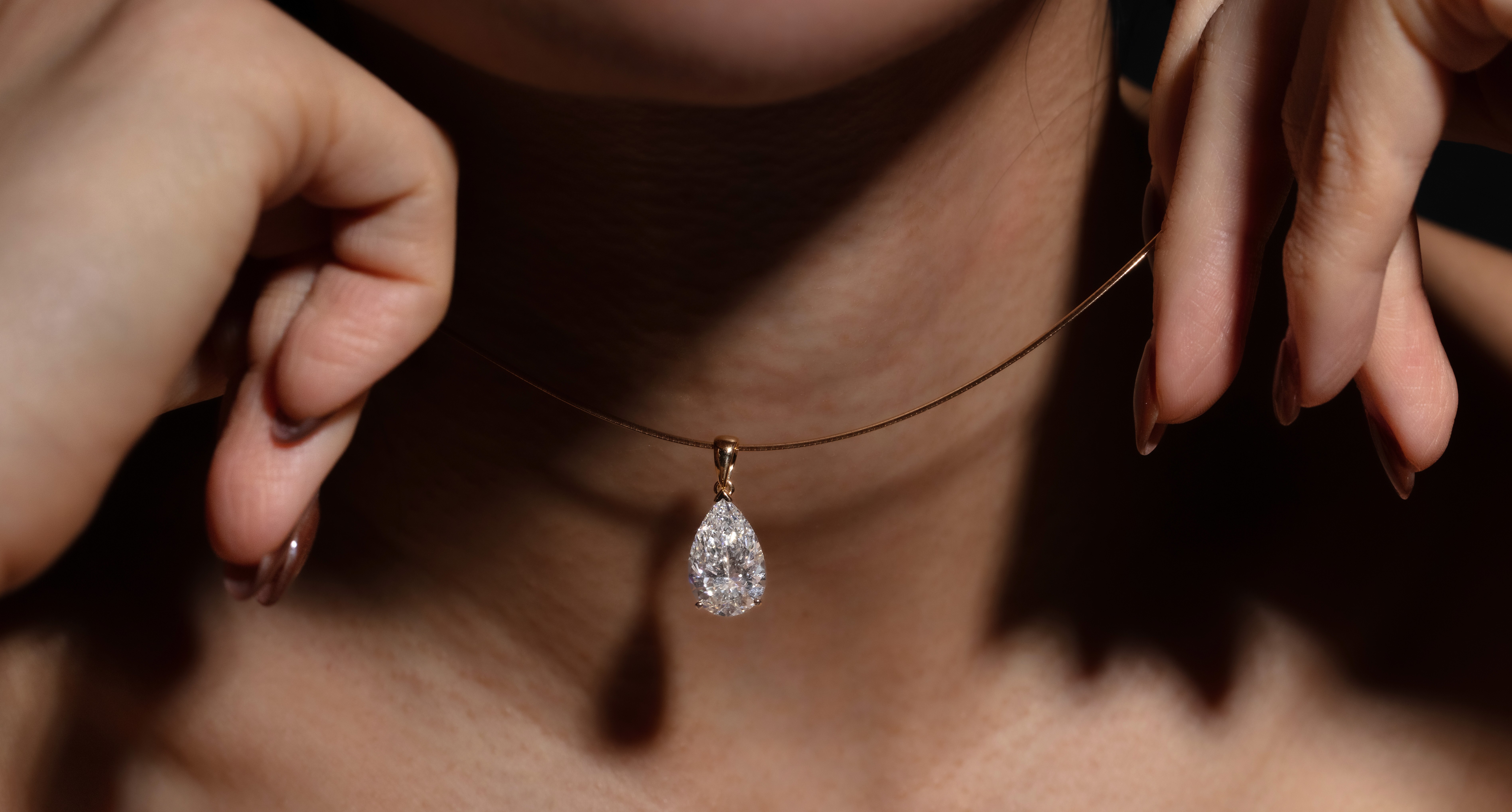
Exploring diamonds, design, and sustainability curated from our journal, where we share not just knowledge but inspiration. From the artistry of fine jewellery to the impact of conscious choices, discover a deeper look into the world we are shaping together.

IGI vs GIA vs AGS DIAMOND CERTIFICATION - WHICH IS BEST FOR LAB GROWN DIAMOND?
This is a widely debated topic with numerous articles floating around on the internet about the differences between IGI, GIA & AGS diamond certifications. While there is a general consensus on the superiority of labs, what we would like to address in this article is specifically in relation to lab grown diamonds. We have drawn up a little summary below on what the various certifications bring to the table. But before we get to that, why do we even need to certify our diamonds? Unfortunately, in a world where trust is a scarce commodity, we would like to feel secure when buying something as expensive as a diamond. Having it graded and certified proves that it is indeed a real diamond, and not a diamond simulant or substitute. This is even more important now with the popularity of lab grown diamonds; buyers of natural diamonds would not want to unknowingly pay natural diamond prices for a lab grown diamond especially given how impossible it is to tell the two apart without the right equipment. However, apart from verifying the authenticity of your diamond, there might not be an actual need to grade a diamond’s 4Cs (Carat, Colour, Clarity, Cut) for most diamonds as much of the minute grading differences is indiscernible to the naked eye. This grading system would be more applicable for investment grade diamonds where you’d want to know exactly how colourless and flawless your diamonds are. However, the invention of the 4Cs has done a great job at marketing diamonds, allowing for a more diverse and profitable pricing system, where the marginally higher quality diamonds can fetch a much larger premium. Which is why we try to advise our clients on the most value for money diamonds without having to splurge on a D Flawless diamond.

LAB GROWN DIAMONDS VS DIAMOND SIMULANTS
Lab grown diamonds and diamond simulants are often wrongfully lumped together as the same thing. A bit like how you might say that sugar and salt are the same thing. They might look similar, but they still have their visual differences, and definitely are not made of the same thing. So what are lab grown diamonds, what are diamond simulants, and what are the differences between them?

HOW ARE ROUGH DIAMOND CUT AND POLISHED?
Have you ever wondered how diamond roughs are cut and polished? For those of you who do not know, the diamonds you see in jewellery are not how diamonds are naturally found in the earth, nor grown in the lab. All diamonds start out as a diamond rough which is a shapeless, non shiny object. And today we will find out how we turn something like that, into the shiny faceted diamond we are all so familiar with. Don’t worry, this isn’t one of those articles like learning how chicken nuggets are made where you won’t want to eat nuggets for the rest of your lives; that reaction might be more applicable about the natural diamond mining industry, but that’s another story for another day.
LOW PROFILE VS HIGH PROFILE SETTINGS - WHICH IS THE BETTER CHOICE FOR YOU?
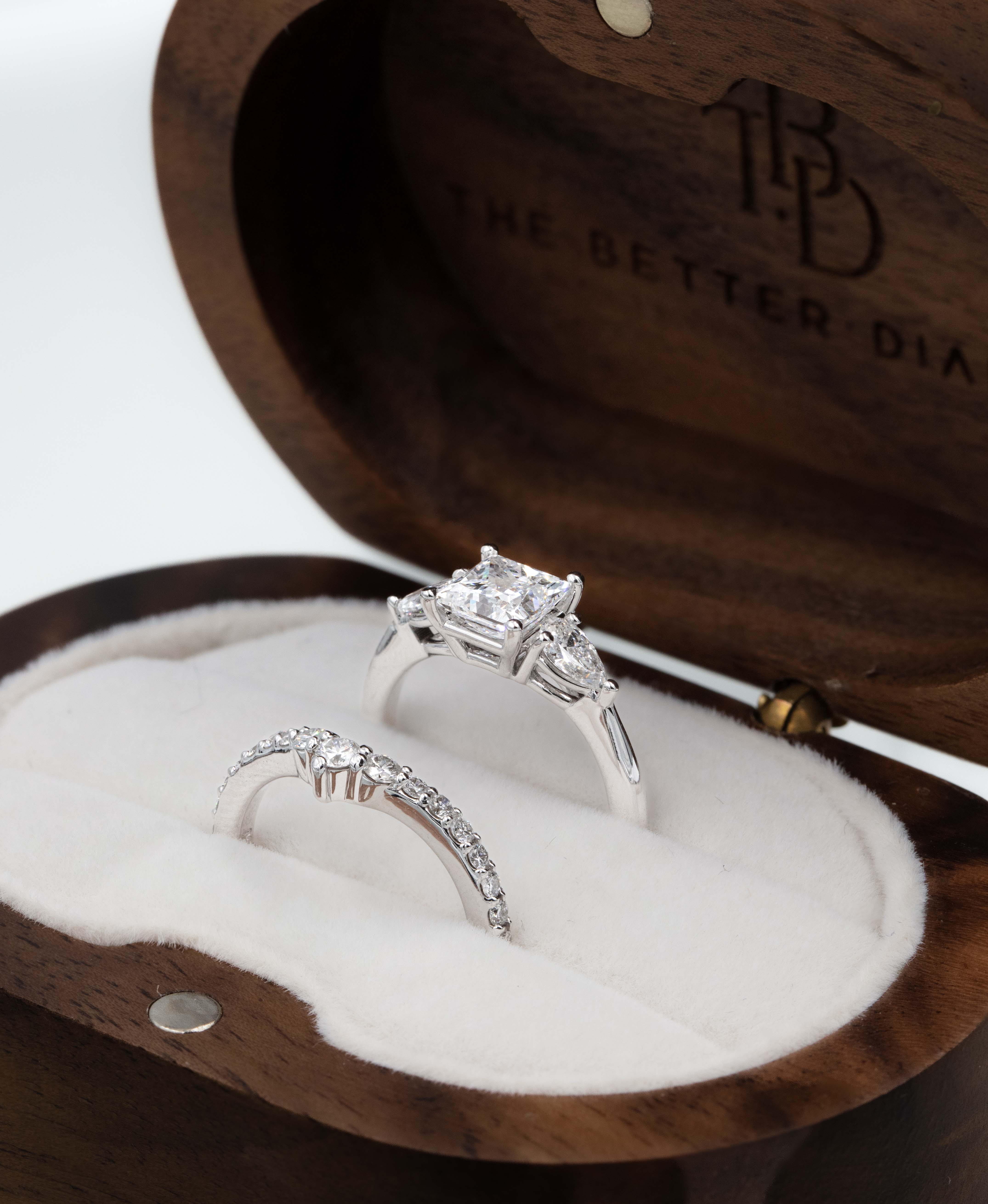
Congratulations, you have reached the final stage and have chosen your perfect ring! But you decide that you do not want the fun to end yet, so you find one last thing to obsess over - “Should I get a low or a high setting?” Simply put, a low profile setting is one where the diamond sits very close to the bottom of the ring, basically about to touch your finger. Whereas a high profile setting has your diamond propped up and suspended mid-air above your finger. These 2 profiles can work for almost all setting designs, so which one should you choose? If you are at your wits end and need someone to make the call for you, speak to any one of our consultants and we guarantee you The Better Experience.

WHAT ARE LAB GROWN DIAMONDS? ARE LAB GROWN DIAMONDS REAL DIAMONDS?
If you are reading this article, The Better Diamond would like to welcome you to the world of lab grown diamonds. You have undoubtedly heard the term “lab grown diamond” before on various occasions and have now brought it upon yourself to find out once and for all if lab grown diamonds are indeed real diamonds.

BEST METAL FOR YOUR LAB GROWN DIAMOND RING
You have made the decision to ask your partner to spend the rest of their life together with you, and nothing says forever (and sustainable) like lab grown diamonds. Now that the “easy” part is out of the way and you’ve already chosen your ring design, all you are left with is to pick what metal type to go for with your lab grown diamond engagement ring. We shall cut right to the chase to let you know that the most common and popular choice to go for is 18K White Gold. If this was all the affirmation you needed, skip the rest of this article and lock that in. If you’re still undecided or have a fascination with shiny things, do carry on reading. At any point in time, feel free to seek out any one of our consultants to find out which lab grown diamond ring might suit you and your partner best.
EMPOWERMENT AND THE BETTER CROWN
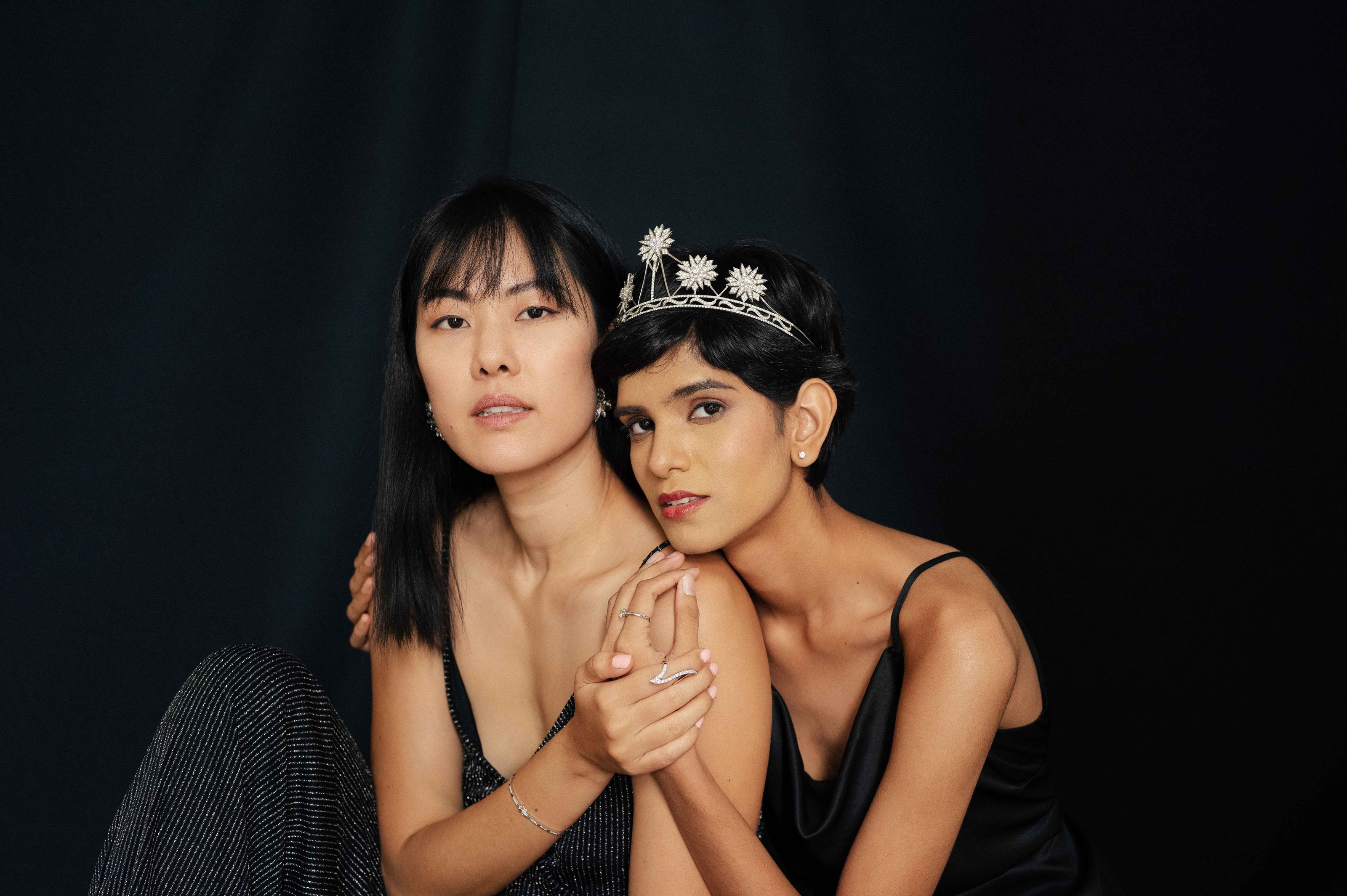
We sit down with Nandita Banna (Miss Universe Singapore 2021) and Valerie Lim (Miss Universe Singapore 2011 and current National Director of Miss Universe Singapore) to talk about what they think sustainability and empowerment means for the modern woman.

DIAMOND CHARACTERISITCS — POLISH, SYMMETRY AND FLUORESCENCE
After considering the ever-important aspects of a diamond’s 4C’s and its cut proportions, you are left with these 3 less talked about diamond characteristics - Polish, Symmetry, and Fluorescence. The simple answer to what you should look for in a diamond regarding Polish, Symmetry and Fluorescence is Excellent, Excellent and None. The reason being that it is not difficult to find diamonds with such grading levels, and you will seldom find yourself in a situation where you are only able to find a “Very Good” example. I am of course referring to white diamonds in this case. Coloured diamonds are an exception as they would display a degree of fluorescence and it is sometimes hard to find your ideal coloured diamond in Excellent grading for Polish & Symmetry.

FANCY COLOURED LAB GROWN DIAMONDS: WHAT MAKES THEM COLOURFUL?
When it comes to grading a diamond’s colour, we are quite familiar with the D to Z scale with D being colourless and Z being intensely coloured, usually yellow. And of course, the better the colour grade (D), the more expensive it is. However, what happens when a diamond exhibits colours beyond the Z range, or scintillates colours other than yellow? It then follows an opposite rule that the more intense the colour, the more expensive it is. Coloured diamonds follow their own colour scale of fancy light, fancy, fancy intense, fancy dark, fancy deep and fancy vivid. Natural coloured diamonds are some of the most exorbitantly priced items in the world, with many prime examples selling for amounts many of us will take several lifetimes to earn. For example, the most expensive diamond is a 59.6ct oval pink diamond known as the “Pink Star” which sold for a whooping $71,000,000 (for those who are blinded by the number of zeroes, that is $71 million). The good news is that you can also get coloured lab grown diamonds which are much much more affordable than natural ones, which The Better Diamond has a large inventory of. Coloured diamonds come in a variety of colours - yellow, pink, orange, red, blue, green, purple, brown, black and even white. In its naturally occurring state, the rarest colours are red, green, purple, and orange. Pink and blue coloured diamonds are next in line, followed by yellow and brown diamonds being the most common. Many of the fancy coloured diamonds are also a blend of colours such as pinkish orange, greenish yellow, purplish pink etc. These mixed colours are usually more affordable than their pure coloured counterparts. A diamond’s colour usually stems from the impurities present in the diamond’s carbon crystal structure. However some of the fancy coloured diamonds are actually pure carbon with no impurities. Diamond colours can also be enhanced through treating methods such as irradiation and high pressure high temperature. Below are some of the colours and how they come about.

INSIGHTS: DO I NEED TO SEE A DIAMOND IN PERSON TO KNOW IT IS GOOD?
If you were asked to describe how diamond jewellery looks, one of the first things that would probably pop into your mind is ‘shiny’. If you were asked to further describe how ‘shiny’ a diamond is, you will probably not have anything further to say apart from ‘it is just shiny’. And to the typical layman, that is not wrong. You are unlikely to have spent a considerable amount of time analysing the shine of different quality diamonds under different light conditions with your naked eye, and therefore a diamond, whether good or bad, would usually just come off as shiny. So, do you need to see a diamond jewellery in person to know it is good? Our answer is a resounding no. In fact, you might even end up leaving a shop with a diamond of inferior quality just because it looks “shiny” without having clearly understood the specifications of your diamond. There are a few factors when it comes to the visual quality of a diamond, and these makeup part of the famous 4Cs. Out of the 3Cs which affect a diamond’s visual quality, this is perhaps the most obvious. Diamonds of a lower colour range like grades JKL start to present themselves quite clearly as yellow-ish rather than colourless, and this difference is quite noticeable to the naked eye. However, when we start looking at the next colour tier up, GHI, the yellow hue might not be immediately apparent; you might need to look more closely and intently, taking some time to allow your brain to recollect how a colourless diamond should look like and taking into account the light conditions you are viewing the diamond in before you inconclusively say “I think this is a GHI coloured diamond”. And even when we move to the DEF colourless range, one would be hard pressed to discern a D coloured diamond from an F coloured diamond, let alone an E coloured diamond from the other two. Not to mention, these differences in colour become even less apparent when the diamond is set into a ring, where the colour of the gold imparts some colour character to the diamond itself. So viewing a diamond’s colour in person is not entirely necessary as the colour grade on the certificate will already reveal how colourless or yellow the diamond will look to the naked eye, and even then, you will unlikely be able to accurately guess what colour grade the diamond is. Almost all the diamonds selected for our clients at The Better Diamond fall within the DEF colour range, so you can expect to see a colourless diamond on your bespoke jewellery. The clarity grade is indicative of the degree of inclusions or physical imperfections present in the diamond. The clarity can affect the overall shine of the diamond if it is poor enough, and can even manifest as visible black marks inside the diamond. However, for all intents and purposes, the typical jewellery grade diamond has a good enough clarity for it to not affect its visual quality. A clarity grade as low as VS1 or VS2 can still appear as eye clean and have little effect on the diamond’s sparkle. We often help our clients find diamonds that fit within their budget, yet without compromising on the quality of it. If we have to select a VS clarity diamond for our clients, we ensure that the inclusions are mostly outside the table of the diamond, which is the largest visible surface area, so as to minimise any visible inclusions or loss in sparkle. When viewing a diamond in person for its clarity, a F (flawless) grade diamond will be almost indiscernible from a VS (very slightly included) grade diamond. Even when viewing under a magnifying loupe, the inclusions of a VS grade diamond will be extremely difficult, if not impossible to spot. Hence relying on viewing a diamond in person will seldom achieve any meaningful outcome in selecting your ideal diamond.

3 REASONS WHY YOU SHOULD BUY LAB GROWN DIAMONDS
There are many reasons why lab grown diamonds should be your top choice over other alternatives, be it natural diamonds, diamond simulants or even gemstones. Lab grown diamonds are real diamonds which are chemically, optically and physically identical to its natural counterpart. To the discerning eye, they are not easily mistaken for diamond simulants like cubic zirconia or moissanite which appear more glassy; nothing can replace the beauty and sparkle of a real diamond. But here are 3 most obvious reasons why you should buy a lab grown diamond.
INSIGHTS: HPHT VS. CVD DIAMONDS
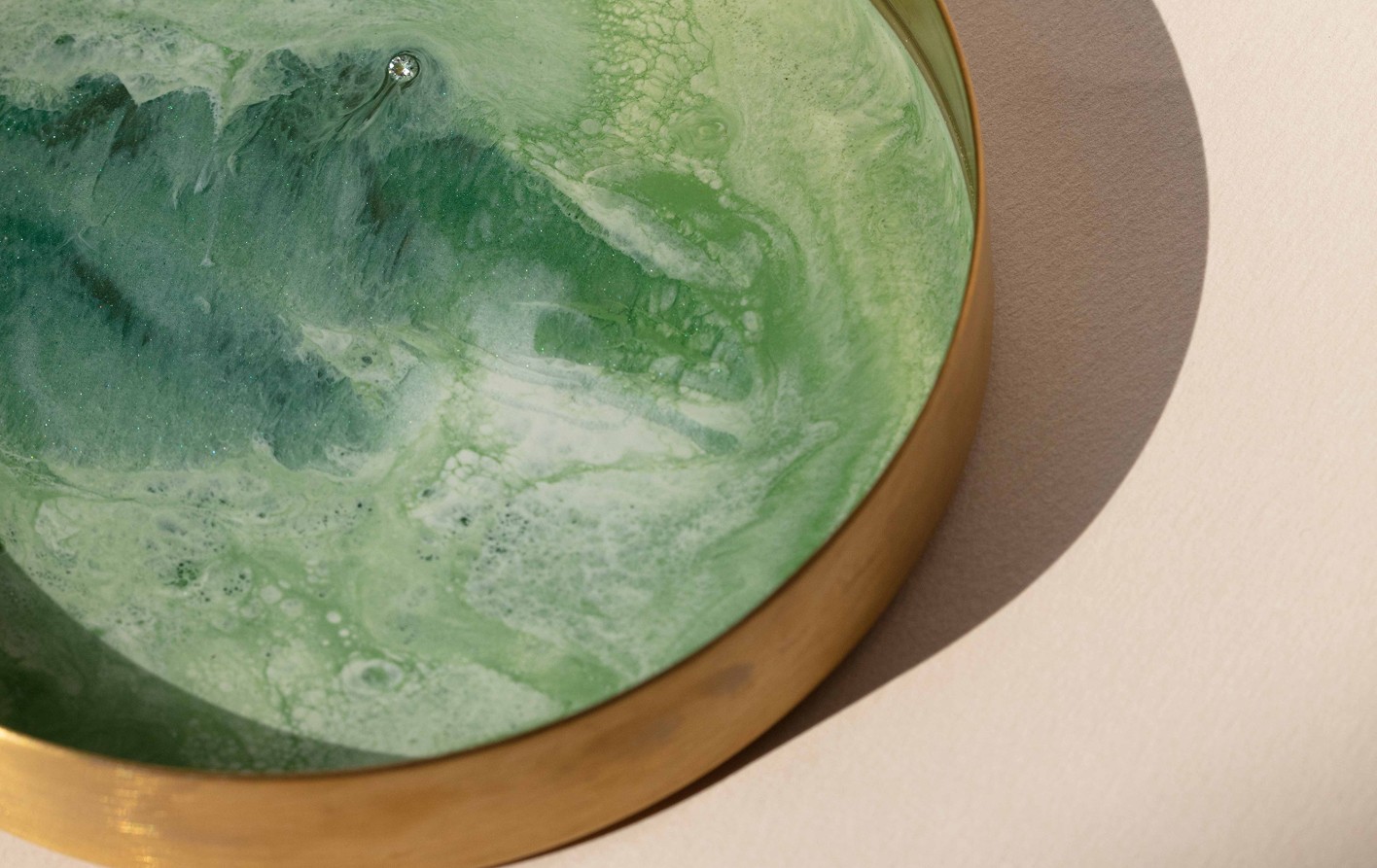
What do HPHT and CVD diamond mean? And which is a better option? As you dive deeper into your research of lab grown diamonds, you start to realize that there are more similarities than differences between lab grown diamonds and their natural counterparts. Apart from how they’re actually made (think of an IVF baby in comparison to a naturally conceived one), everything else from how it looks to the grading certification is pretty much the same! There are currently 2 distinct methods of creating a lab grown diamond—HPHT & CVD. You’ll be surprised to hear that we do not often get asked what the differences are, but since you are reading this, I am sure you’re now curious if one is better than the other, and which should you go for.

IDEAL DIAMOND PROPORTION TABLE
We all know that a diamond's cut grade is important, but it is also important to understand what separates a diamond with an “Ideal” cut grade from a diamond that is actually ideally cut. Just because a diamond has an ideal cut grade does not always mean that it will make the cut when we are selecting a diamond for our clients as we are extremely particular about the quality of diamonds that leaves our shop. There are several factors to take into consideration when examining a diamond ideal proportions, as well as how these factors interact with one another. If you have any questions or would like to find out more, please feel free to get in touch with our consultants, and we will be glad to assist you.
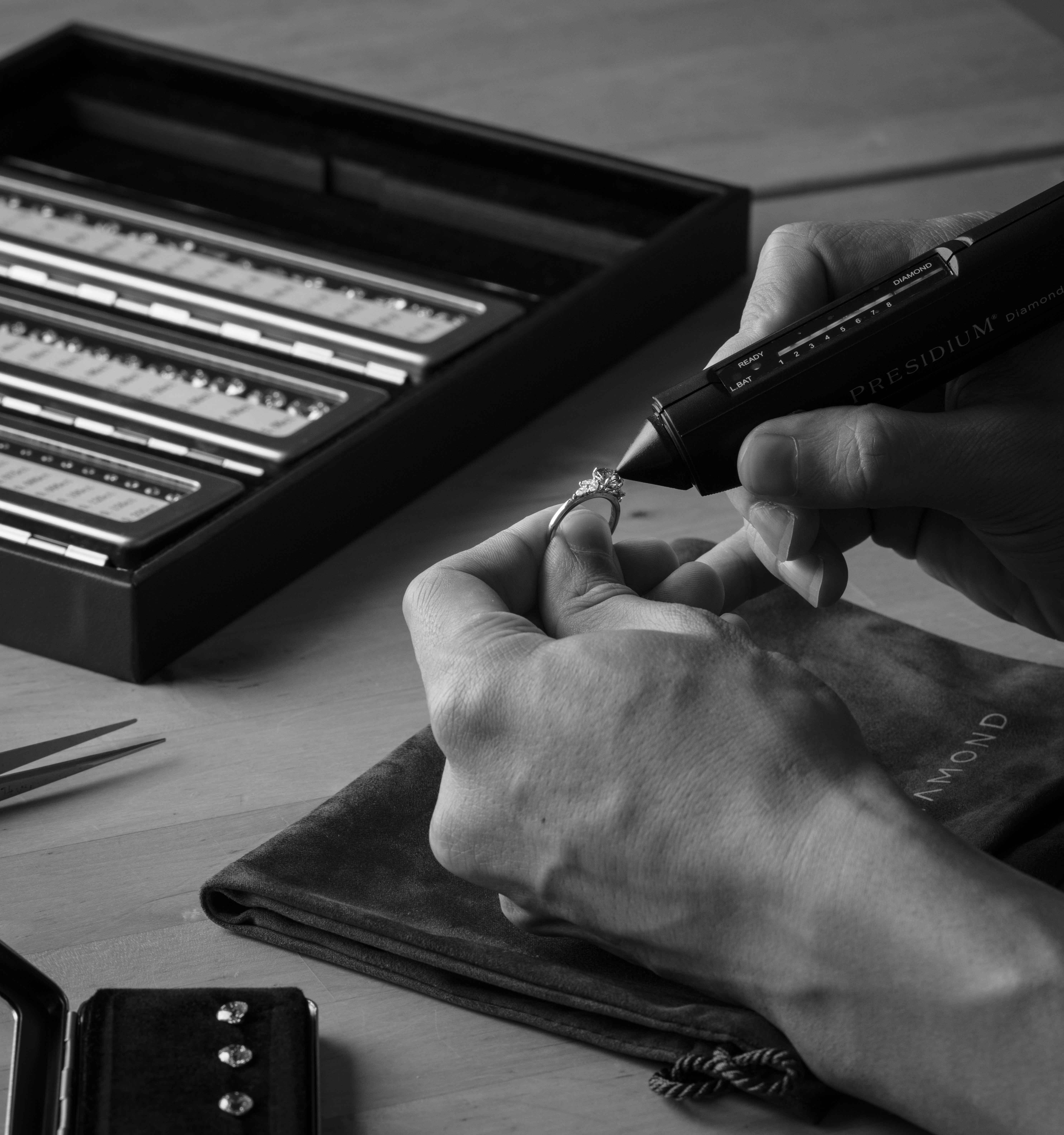
LAB GROWN DIAMONDS: ARE THEY AS ETHICAL AND SUSTAINABLE AS THEY CLAIM TO BE?
When it comes to the topic of diamonds, there are usually 2 distinct groups of conversation. The first is focused on the aesthetic aspect of it - how beautiful it looks and the 4Cs. With the second being its ethical and environmental impact.